Energy Modelling
Energy Modelling for Buildings in Middle East
Energy modelling in buildings is a process of using computer simulations to predict the energy consumption of a building under different scenarios. Energy modelling can help building owners, designers, and engineers optimize building design, operation, and maintenance to reduce energy consumption and associated costs, while also minimizing environmental impacts.
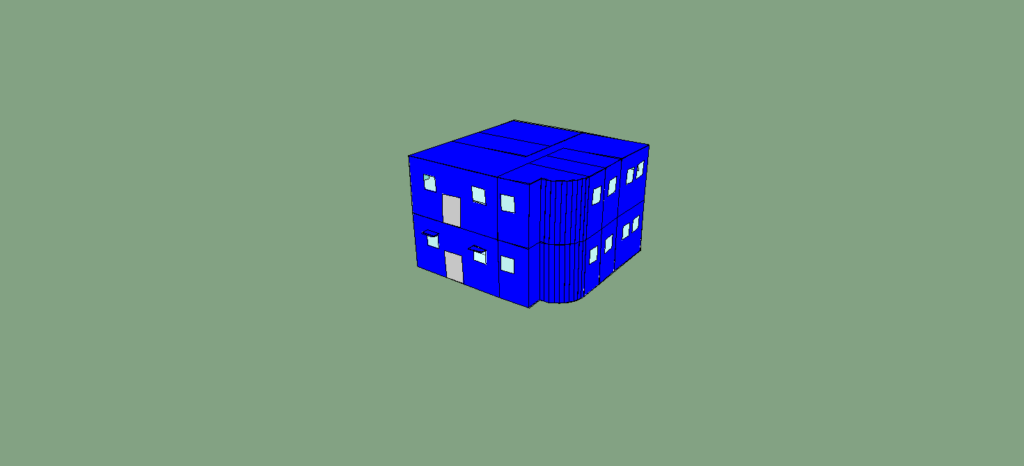
- Energy modelling typically involves the use of specialized software that considers various factors such as building location, orientation, size, materials, occupancy, and climate. The software can simulate the performance of building systems, including heating, cooling, ventilation, lighting, and plug loads, to predict energy consumption and costs over time.
- By running simulations and analyzing the results, building owners and designers can make informed decisions about building design, construction materials, HVAC systems, and lighting systems. They can also evaluate the cost-effectiveness of various energy-saving measures, such as upgrading insulation, installing energy-efficient windows, or implementing a renewable energy system.
- Energy modelling is particularly important in the design of new buildings, but it can also be used to optimize the energy performance of existing buildings through retrofits and renovations. In addition, energy modelling can be used to demonstrate compliance with building codes and standards, such as LEED (Leadership in Energy and Environmental Design) and ASHRAE (American Society of Heating, Refrigerating and Air-Conditioning Engineers) standards.
- Overall, energy modelling is a powerful tool for improving the energy efficiency of buildings, reducing energy costs, and mitigating the environmental impacts of buildings.
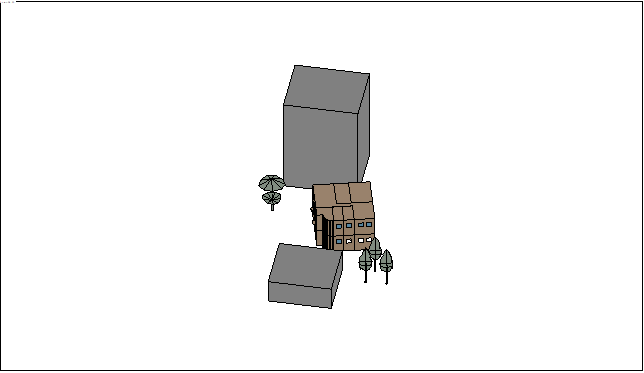
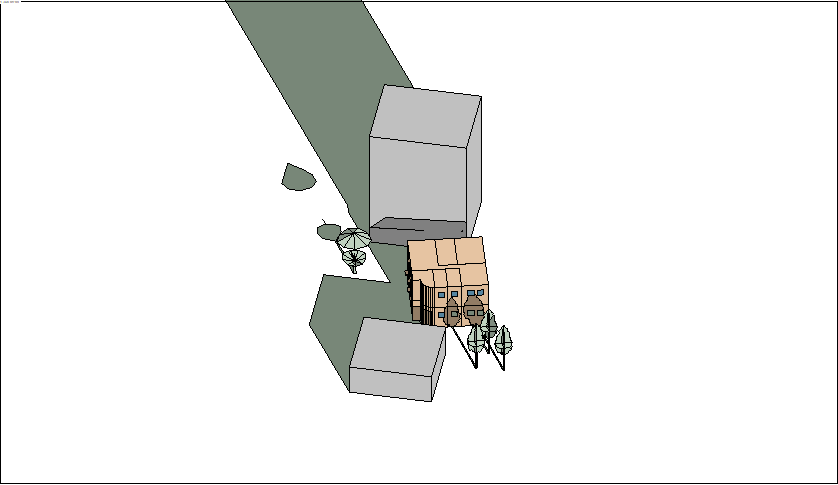
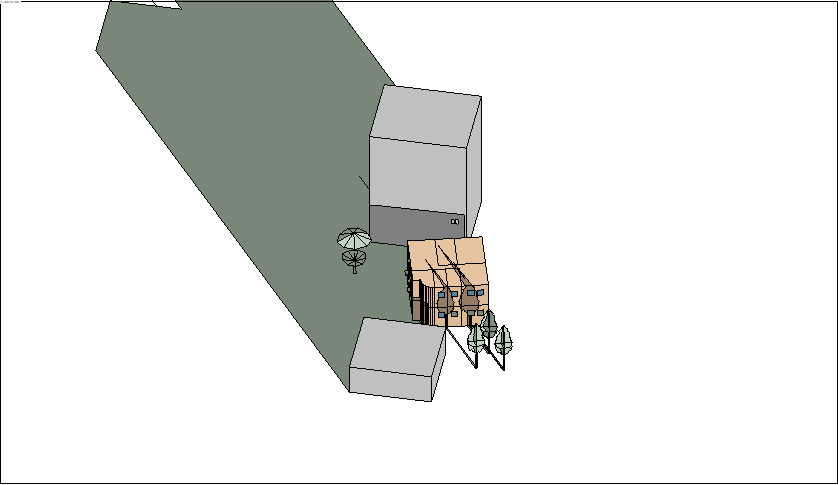
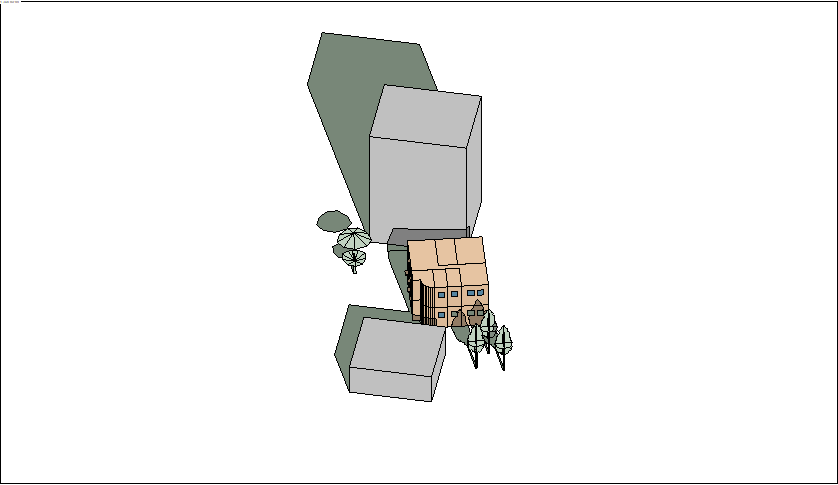
- Below Pictures shows the results of Energy Modelling Analysis performed by RIA -Gulf.
The Pictures shows the results of SunCast Analysis. Through the result images we can analyze the impact of the sun and the impact of the surrounding buildings on the main building of study.
Figure: SunCast Analysis results for Impact of Neighboring buildings on the Geometry of study