We are a leading Engineering firm providing Engineering Analysis services with specialization in Computational Fluid Dynamics (CFD) Analysis/Simulation, Energy Modelling for buildings, Finite Element Analysis (FEA), and Thermal Analysis.
Optimizing Cooling Efficiency in Gulf Desert Cities for Sustainable Urban Development
Desert cities have a unique set of challenges when it comes to keeping their residents comfortable. With soaring temperatures and dry conditions, daily life can be tough, and resources like water and energy can feel limited. With climate change making these issues even worse, it’s urgent for urban planners, architects, and policymakers to find effective ways to boost cooling efficiency. This post explores practical solutions that desert cities can implement to foster sustainable development while tackling intense heat.
Understanding the Urban Heat Island Effect
Outdoor Cooling Challenges in Kuwait
Desert cities often suffer from the urban heat island (UHI) effect, which makes cities much hotter than nearby rural areas due to human activities and the built environment. Research shows that urban areas can be up to 5-7°F (3-4°C) warmer than their suburbs. Key reasons behind UHI include the prevalence of asphalt and concrete, along with limited vegetation.
To tackle the UHI effect, cities can:
Increase green spaces with parks and community gardens.
Use materials that reflect sunlight, such as light-colored roofs and pavement.
Create water features like ponds and fountains that help cool surrounding areas.
The Urban Heat Island Effect in Desert Cities
These changes can lower energy consumption, thereby reducing greenhouse gas emissions and making urban life more comfortable.
Embracing Green Infrastructure
Green infrastructure can dramatically improve cooling efficiency in desert cities. Incorporating parks, green roofs, and vertical gardens into urban planning helps create an inviting microclimate. For example, a study in Chicago found that green roofs could reduce indoor temperatures by up to 20°F (11°C). Street trees not only provide shade but also absorb CO2, improving air quality.
Involving the community in planting trees can foster a sense of ownership and encourage more sustainable practices. Moreover, citywide campaigns to establish green spaces can lead to improved mental health and community well-being.
Utilizing Reflective and Cool Materials
The materials chosen for construction can significantly influence the heat in urban areas. Using reflective or “cool” materials for roofs, pavements, and walls helps reduce heat absorption. Research indicates that cool roofs can lower building energy consumption by approximately 10-30%.
Light-colored pavements can also minimize heat retention. This not only helps during the day but reduces overnight temperatures as well, which is crucial in desert locations where nighttime cooling is vital for comfort.
Enhancing Water Management Systems
Water is essential for cooling urban environments, especially in desert settings. Effective water management strategies can enhance cooling in several ways:
Water Features: Adding features like fountains, ponds, and misting systems can create cooler microclimates in parks and plazas.
Irrigation: Upgraded irrigation systems can support more greenery, maximizing evapotranspiration and creating a cooler atmosphere.
Rainwater Harvesting: Implementing systems to capture and reuse rainwater can support vegetation while providing a sustainable water source for cooling.
These strategies together make urban areas more thermally comfortable and environmentally friendly.
Implementing Effective Urban Planning Strategies
Smart urban planning is key to boosting cooling efficiency in desert cities. Key strategies include:
Building Orientation: Designing buildings to take advantage of natural breezes can lower temperatures inside.
Density and Layout: Mixed-use neighborhoods can enhance walkability and reduce reliance on cars, cutting down on heat emissions.
Zoning Regulations: Prioritizing green spaces in development plans can help limit heat-absorbing surfaces.
Incorporating cooling corridors—pathways designed to move cooler air through hot areas—can further distribute refreshing breezes across urban settings.
Leveraging Renewable Energy Solutions
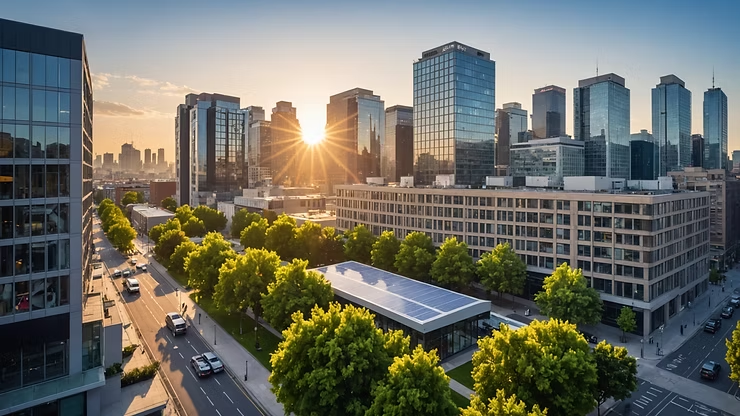
Desert cities often have abundant sunshine. Investing in solar energy can reduce dependence on fossil fuels and minimize heat production. For instance, solar panels can provide clean electricity and shade roofs, cooling the upper parts of buildings.
Statistics show that solar energy can lower a city’s overall energy consumption by 30-50%, making it a practical choice for sustainable development. Cities like Phoenix, AZ, are already harnessing solar power effectively, showcasing its potential benefits.
Engaging the Community and Raising Awareness
Community involvement is essential for effective cooling strategies. Programs designed to educate residents about the importance of vegetation, water conservation, and energy efficiency foster greater participation.
Initiatives such as tree-planting events or workshops on installing cool roofs can unite community efforts aimed at achieving cooler urban spaces. Raising awareness through local campaigns can have lasting benefits for both the environment and the quality of life in desert cities.
An Actionable Path Forward
As desert cities face rising temperatures and climate challenges, optimizing cooling efficiency goes beyond comfort. It is vital for sustainable development.
By embracing green infrastructure, using reflective materials, improving water management, planning thoughtfully, leveraging renewable energy, and engaging local communities, these cities can create effective solutions to combat the heat.
The future of urban living in desert areas will depend on innovative strategies and collaboration among stakeholders who strive to meet the dual goals of sustainability and a high quality of life in harmony with the natural environment.